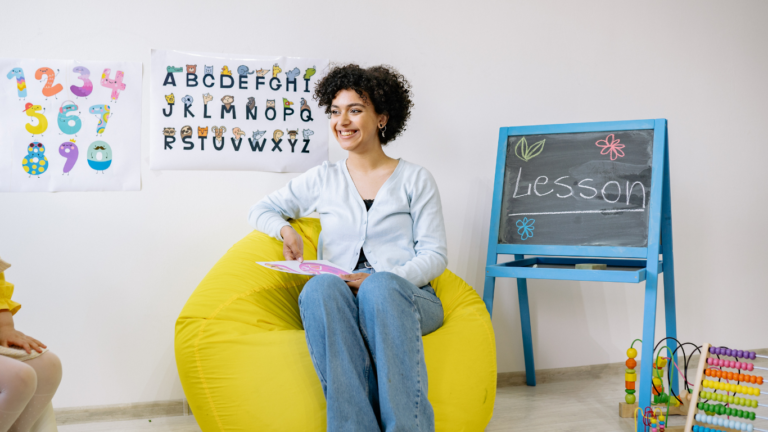
Every childcare worker, preschool assistant, and mother knows that working with children is incredibly rewarding. There is nothing quite like watching a child master a new skill, share a laugh during finger painting, or proudly point to a drawing they made just for you. But let’s be honest – some days can be tough.
When a child refuses to share a toy, throws a screaming tantrum on the carpet, or aggressively pushes a classmate during playtime, the room can go from peaceful to chaotic in a matter of seconds. Experiencing these moments can leave you feeling frustrated, stressed, or out of your depth.
If you are currently struggling in the classroom, mastering a few core skills for handling difficult child behavior is the secret to regaining control, keeping the peace, and ensuring every child feels safe. Here is a practical, step-by-step guide to positive discipline.
Understand the “Why” Behind the Actions
Before you can fix a challenging situation, you need to understand that young children do not act out simply to make your life difficult. Children are still developing their language skills and emotional brains. Often, a major tantrum or a sudden emotional outburst is simply their way of communicating a problem they cannot put into words.
When tough behavior strikes, take a deep breath and ask yourself these four questions:
- Are they physically uncomfortable? Are they overly tired, hungry, or getting sick? A child who missed their afternoon nap is much more likely to have an emotional meltdown.
- Are they overwhelmed? Is the classroom too loud, too bright, or too crowded?
- Are they seeking connection? Sometimes, bad behavior is just a cry for attention. Children will choose negative attention over no attention at all.
- Are they frustrated? Are they struggling to express what they want, or trying a task that is too difficult for their age?
By looking past the screaming or crying and identifying the root cause, you can address the true issue with empathy rather than reacting with anger.
Master the Art of Positive Redirection
One of the most effective strategies when handling difficult child behavior is changing their focus before the situation escalates. Young children have relatively short attention spans, which means you can use positive redirection to shift their energy toward a safer, calmer activity.
How to Redirect Effectively
- Swap the object: If two children are fighting over a toy, do not just scream “stop fighting!” Take the toy away gently, and introduce two completely different, equally exciting toys. Say something like, “Look! We have a airplane and a puzzle. Let’s see how they work.”
- Change the environment: If a child is getting rowdy and throwing blocks inside the classroom, redirect their physical energy safely. Say, “Blocks are for building inside. If you want to throw something, let’s go outside and play with the ball.”
- Use clear, positive commands: Tell children what they should do, rather than what they shouldn’t do. Instead of shouting “Stop running!”, use a calm voice to say, “Please use your walking feet inside.”
Create a Dedicated “Calm-Down Corner”
The old-school method of putting a child in an isolated “time-out” corner as a punishment often backfires. It can make a child feel rejected, anxious, and even angrier. A much more effective, modern approach used by early childhood professionals is a Calm-Down Corner (sometimes called a time-in space).
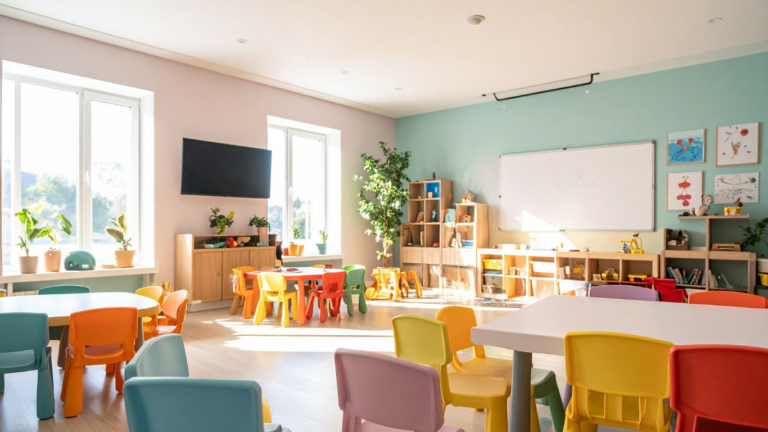
A Calm-Down Corner is a safe, cozy area in the classroom where a child can go voluntarily to manage their big emotions. Fill this area with soft cushions, a few picture books about feelings, and simple sensory objects like a bottle filled with colored glitter and water.
When a child begins to show signs of extreme frustration or aggression:
- Gently guide them to the calm-down space.
- Sit near them or stay with them if they need comfort.
- Encourage them to watch the glitter settle in the bottle or take three deep “belly breaths.”
- Once they are completely calm, speak to them quietly about what happened and how they can handle it better next time.
Consistency and Routines are Your Best Friend
Children thrive on predictability. When a child knows exactly what is coming next in their day, their anxiety drops significantly, and their behaviour naturally improves. A chaotic environment with no clear schedule is a breeding ground for acting out.
Ensure that the crèche follows a consistent daily rhythm. Keep snack times, story times, outdoor play, and nap times at the exact same hour every day.
Furthermore, give children a warning before transitions happen. Shifting abruptly from playtime to a tidy-up routine can shock a young child’s system. Instead, give a five-minute warning: “In five minutes, the playtime clock stops, and we are going to sing our clean-up song together.” This gives them time to prepare mentally for the change.
Pro-Tip for Career Growth: Learning the precise milestones of child development makes managing a classroom significantly easier. If you want a deeper understanding of behavioral triggers, consider enrolling in specialized Child Psychology courses. Flexible home-study institutions like Skills Academy offer open-access child psychology options that teach you exactly how a child’s brain works, helping you become an absolute expert in positive discipline.
A Quick Summary Guide
As you practice these steps daily, you will build an internal toolkit that protects both your sanity and the classroom environment.
Quick Action Checklist for Caregivers
- Keep your voice quiet: When a child screams, your instinct might be to raise your voice to match their volume. Don’t. Lowering your voice forces the child to quiet down to hear what you are saying.
- Praise the good: Don’t just notice the bad behavior. When you see a child sharing or waiting patiently, praise them loudly!
- Stay professional: Never take a child’s behavior personally. They are testing boundaries, not targeting you.
If your ultimate goal is to lead an entire team of practitioners, understand classroom dynamics deeply, or improve your skills as a parent, studying child psychology is an invaluable step.
Patience Pays Off
Successfully handling difficult child behavior takes time, practice, and an incredible amount of personal patience. There will still be loud days, messy moments, and times when you feel tired.
But remember: every time you handle a tantrum with a calm voice, an encouraging smile, and a structured routine, you are teaching a child how to navigate the world safely. You aren’t just managing a classroom—you are shaping a child’s emotional future. Take a deep breath, stay consistent, and trust your natural caregiving instincts!